A Flexible Formula for Balancing a Weeknight Meal
Build a satisfying dinner from a staple, vegetables, and a flavorful finishing element, using what is already on hand instead of following a fixed recipe.
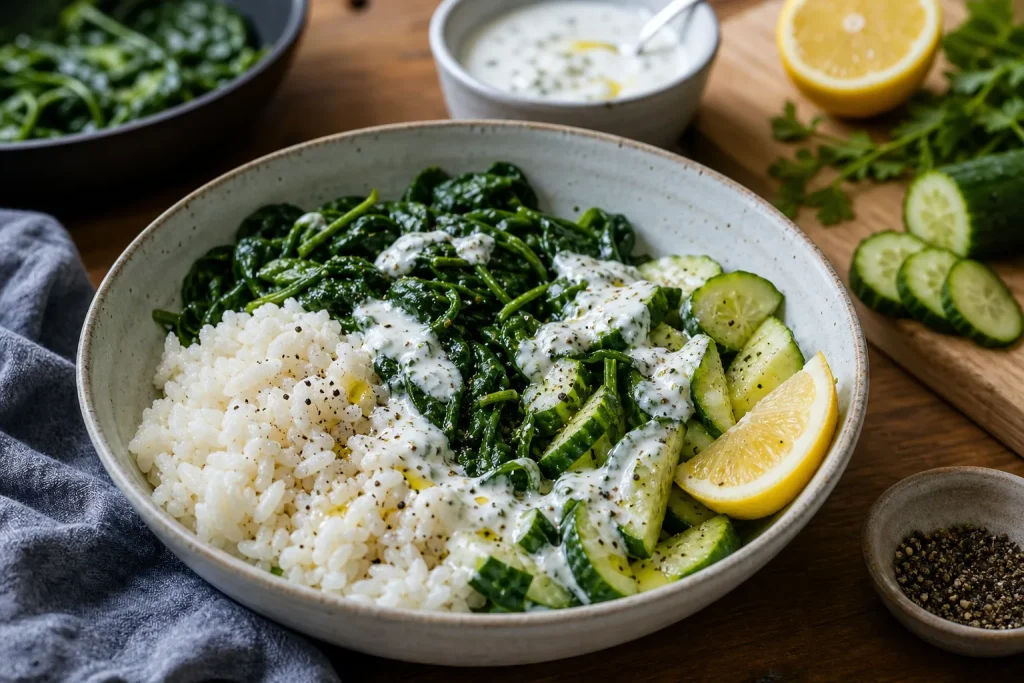
Weeknight cooking often begins with a practical question: what can dinner become from the food already in the kitchen? A flexible formula offers a way to answer without committing to a recipe. Start with a filling staple, add vegetables, then bring the components together with something flavorful. The staple gives the meal substance; vegetables contribute color, texture, and freshness; the final element adds contrast or a sense of completion.
This is not a rule that every plate must follow exactly. It is a set of choices that can adapt to leftovers, seasonal produce, and different tastes. The useful skill is deciding how the parts will work together: whether they need a sauce, a crisp accent, warmth, acidity, or simply a little seasoning. With that in mind, a few ingredients can become a coherent meal rather than unrelated items.
Begin With a Staple You Can Build Around
Choose the staple first because it shapes what follows. Rice, pasta, bread, potatoes, noodles, beans, and grains can all anchor a meal. Consider what is ready or easy to prepare, then decide whether it should sit beneath the other ingredients, be stirred through them, or serve as a side. A bowl of cooked rice suggests a different arrangement from toasted bread or a tray of roasted potatoes, even if the vegetables and flavorings are similar.
Think about the staple’s texture and taste before adding anything else. A mild base can welcome a strongly flavored sauce or seasoning, while a seasoned or rich base may need a fresher, sharper accompaniment. Leftovers are useful, but check their condition and reheat them appropriately. The goal is not to make the staple dominate; it is to give the vegetables and finishing element a dependable place in the meal.
Choose Vegetables for Contrast and Convenience
Pick vegetables according to the time and equipment available, not an imagined ideal pantry. Tender greens can be wilted into a warm dish, while sturdy vegetables may need roasting, sautéing, steaming, or a quick simmer. Frozen vegetables can be practical too; prepare them in a way that avoids leaving the finished meal watery. Combining vegetables is optional. One well-prepared vegetable can bring enough color and texture to make the plate feel considered.
Look for contrast with the staple. Soft rice may pair well with crisp cabbage or browned vegetables; pasta can carry tender greens or mushrooms; beans can be brightened by crunchy raw vegetables. Cut vegetables to a size and shape that suits the cooking method, and cook them until they are pleasant to eat rather than relying on a fixed time. If the staple and vegetables are both soft, a crunchy or fresh finishing element can supply the missing contrast.
Select a Flavorful Element That Connects the Parts
The flavorful element might be a sauce, a dressing, a condiment, herbs, spices, cheese, toasted seeds, citrus, or a combination. Use it to connect the staple and vegetables, not merely to add intensity. A spoonful of yogurt with herbs can soften and brighten roasted vegetables; soy sauce and ginger can season rice and greens; olive oil, lemon, and grated cheese can bring pasta and vegetables together. Taste as you go, especially when using salty ingredients.
Consider what the meal lacks before choosing the finishing touch. If it tastes flat, a little acid or a savory condiment may help. If it feels dry, add a sauce or dressing. If the textures blend together, try a crisp topping or fresh herb. Keep strong flavors in proportion so the other ingredients remain recognizable. A small amount added thoughtfully can be more useful than several unrelated condiments competing on the plate.
Use a Simple Sequence to Assemble Dinner
Once the components are chosen, work in an order that limits unnecessary effort. Start the staple if it needs the longest preparation. While it cooks, wash and cut the vegetables, then prepare the sauce or topping. Cook the vegetables using a method suited to their texture. Finally, combine the parts if that makes sense, or serve them separately so each person can adjust the balance. This sequence is adaptable rather than a strict recipe.
Before serving, taste the components together. A seasoning that seems strong on its own may balance a plain staple, while a sauce may overwhelm a delicate vegetable. Adjust with small additions: a splash of water to loosen a thick sauce, a squeeze of citrus for brightness, or a pinch of seasoning if the flavors seem muted. The last decision is whether the meal needs a finishing contrast, such as fresh herbs, toasted nuts, or something crisp.
Worked Example: Rice, Greens, and a Bright Dressing
Hypothetical worked example: Imagine a starting situation with leftover cooked rice, a bag of spinach, half a cucumber, plain yogurt, lemon, and limited time for dinner. The constraint is to avoid making a separate elaborate dish while using ingredients that suit different temperatures. The rice can be reheated, the spinach briefly wilted, and the cucumber kept cool and crisp. Yogurt and lemon can become a quick dressing, with salt and pepper added according to taste.
Warm the rice safely, then wilt the spinach in a pan with a little water or oil. Stir lemon juice into the yogurt and season it lightly. Serve the rice and spinach together, add cucumber for crunch, and spoon the dressing over the top. The expected result is a warm, filling bowl with creamy brightness and a cool contrast. The tradeoff is that the dressing softens anything it touches, so serving it on the side preserves more of the cucumber’s crispness.
Adjust the Formula to What the Meal Needs
Use the formula as a prompt for decisions, not a checklist that must be completed identically every evening. A staple and vegetables may already carry enough flavor, especially if they were seasoned during cooking. On another night, a simple sauce can make familiar ingredients feel distinct. Ask what would improve the combination: more freshness, a deeper savory note, a softer texture, or a crisp accent. Choose one adjustment and see whether it brings the parts together.
Dietary needs, available ingredients, and household preferences should guide the choices. Keep components separate when people prefer different levels of seasoning, and offer a condiment at the table when that is convenient. If an ingredient is unfamiliar or requires special handling, follow its package directions and ordinary food-safety guidance. A flexible meal does not need to be elaborate; it needs a clear anchor, vegetables prepared with care, and a flavor that makes the combination feel intentional.
Building a weeknight meal from a staple, vegetables, and a flavorful element turns improvisation into a manageable set of choices. Begin with what is ready, add a vegetable that suits the time and texture you want, then taste for the finishing touch that connects everything. The result can change from one evening to the next without requiring a new recipe each time. Instead of asking whether every ingredient belongs to a prescribed dish, ask what each part contributes—and what would make the whole plate more balanced.